
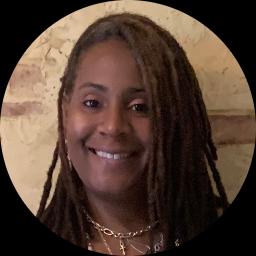
Monique Parr
Supportive, practical counseling for meaningful change
LCMHC North Carolina
- Experience
- 6 years in practice
- Focus areas
- LGBT, Trauma and abuse, Self esteem
- Approaches
- Cognitive Behavioral Therapy (CBT), Attachment-Based Therapy
- Languages
- English
About Monique
Monique Parr is a Licensed Clinical Mental Health Counselor (LCMHC) practicing in North Carolina with six years of clinical experience. She holds a Master of Science in Professional Counseling from Grand Canyon University and a bachelor’s degree in Psychology with a minor in Sociology from Fayetteville State University.
Background and approach
Her background includes more than a decade of direct care and several years overseeing program management, quality and compliance, human resources, and financial reporting, which inform a structured and attentive approach to client care.
Monique blends cognitive behavioral techniques with attachment-informed and client-centered perspectives to address a wide range of concerns, including anxiety, depression, trauma and abuse, addictions, LGBT-related issues, relationship and intimacy challenges, grief, and life transitions. She emphasizes creating a warm, respectful space that supports autonomy, honest exploration, and practical change.
Sessions are oriented toward building trust, honoring each client’s social and cultural context, and empowering people to identify and pursue authentic goals. Her practice values collaboration and attention to detail, with an aim to motivate positive steps while respecting each person’s choices and pace.
Monique welcomes inquiries from English-speaking adults in North Carolina who are seeking a thoughtful, evidence-informed counseling experience.
How therapeutic approaches translate to online care
Monique often uses Cognitive Behavioral Therapy to help identify unhelpful thinking patterns and develop concrete strategies for symptoms like anxiety, depression, and stress. Attachment-Based Therapy is used to explore how early relationships influence current relational patterns and to support healthier connection and emotional regulation. Client-Centered Therapy emphasizes empathy, acceptance, and collaboration to make sure the client's goals steer the work and that sessions respect each person’s values and pace.
Choosing the right approach is a collaborative process. The therapist will work with clients to clarify goals, review what has helped or not helped in the past, and tailor methods so the plan fits the client’s needs, preferences, and life circumstances. Adjustments are made as progress is evaluated together.
Online delivery through video calls, phone sessions, live chat, or text-based messaging offers practical flexibility for scheduling and for communicating in ways that feel most comfortable. These formats make it easier for licensed professionals to provide consistent care across varying days and routines, supporting continuity and access to therapy without requiring travel.
Frequently asked questions
What concerns does this therapist commonly address?
What therapeutic approaches inform the work?
How much clinical experience does the therapist have?
What are the therapist's credentials and location?
In what languages can clients be seen and are international clients accepted?
Which session formats are offered for online work?
How is cost handled for sessions?
What is the process to begin working together?
Areas of expertise
Primary focus
Also works with
Additional focus areas
Therapeutic approaches
Experience
6+ years
Licensed
North Carolina
Languages
English