
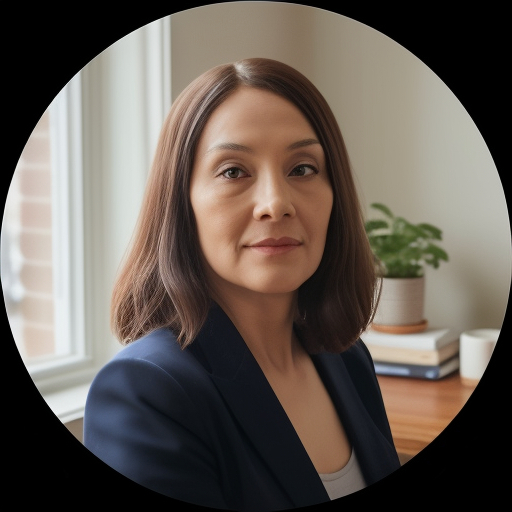
Patricia Curran
Experienced clinician guiding practical change
LPC, LMHC Arizona
- Experience
- 36 years in practice
- Focus areas
- Stress, Anxiety, Grief, Depression
- Approaches
- Cognitive Behavioral Therapy (CBT), Client-Centered Therapy
- Languages
- English
About Patricia
Patricia Curran brings 36 years of clinical experience to people seeking practical strategies for stress, anxiety, grief, depression, and major life changes. She focuses on helping clients identify actionable steps and new ways of thinking to reduce distress and move toward clearer priorities and goals.
Background and approach
Patricia's approach is collaborative and adaptable, aimed at helping individuals discover the resources they already have and learn new skills to manage emotions, behavior, and relationships. Her training includes a master’s degree in clinical psychology and licensure as an LPC and LMHC, with practice across outpatient, inpatient, and confinement settings.
Patricia blends several evidence-informed methods, using Cognitive Behavioral Therapy alongside client-centered techniques, dialectical skills, motivational interviewing, and solution-focused strategies to tailor care to each person’s needs. She also maintains experience addressing issues related to aging, cancer and hospice care, caregiver stress, divorce, and midlife concerns.
Patricia works in Arizona and communicates in English, offering multiple session formats to fit different lifestyles and routines.
Approaches to Online Therapy and Practical Skill Building
Patricia commonly uses Cognitive Behavioral Therapy to help clients identify unhelpful thinking patterns and develop concrete skills for managing symptoms such as anxiety and depression; CBT focuses on the links between thoughts, feelings, and behaviors and offers structured strategies for change. She also applies client-centered therapy, which emphasizes empathy, active listening, and supporting each person’s own problem-solving capacity to foster personal insight and resilience. When appropriate, dialectical behavior therapy skills are introduced to teach emotion regulation, distress tolerance, and interpersonal effectiveness in real-life situations.Choosing the right therapeutic approach is part of the collaborative process. The therapist works with each client to assess needs, preferences, and goals, and then blends methods that fit the situation rather than following a single protocol. This means treatment plans evolve as progress is made and priorities shift.
Online therapy is offered via video calls, phone sessions, live chat, or text-based messaging to provide flexibility for people with different schedules and responsibilities. These formats make it easier to maintain continuity of care while applying skills and strategies between sessions, and they allow licensed professionals to meet clients where they are so work can continue despite geographic or time constraints.
Frequently asked questions
What concerns does she commonly address?
What therapy styles does she use in practice?
How long has she been practicing?
What are her credentials and where is she located?
Does she provide services in other languages or to international clients?
Which session formats are available?
How are costs and billing handled?
What should I do to begin working with her?
Areas of expertise
Also works with
Additional focus areas
Therapeutic approaches
Experience
36+ years
Licensed
Washington, Arizona
Languages
English