
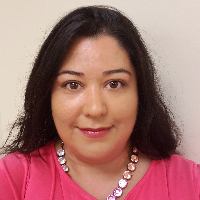
Rachel May
Compassionate, practical therapy for real-life challenges
LCSW Texas
- Experience
- 12 years in practice
- Focus areas
- Stress, Anxiety, Addictions, Relationship
- Approaches
- Cognitive Behavioral Therapy (CBT), Acceptance and Commitment Therapy (ACT)
- Languages
- English
About Rachel
Rachel May is a Licensed Clinical Social Worker (LCSW) practicing in Texas who brings 12 years of clinical experience to her work.
Background and approach
She has substantial background in psychiatric hospital settings and focuses on evidence-informed interventions to address concerns such as stress, anxiety, depression, addiction, trauma, relationship difficulties, grief, and a range of related issues. Her training and practice emphasize practical strategies drawn from methods like Cognitive Behavioral Therapy (CBT) alongside other therapeutic frameworks.
Rachel adopts an adaptive, client-centered stance that combines structure with empathy to help people move toward their goals. She offers a nonjudgmental space where clients can explore patterns, learn new coping skills, and consider alternative perspectives.
Rachel collaborates with each person to shape a personalized plan that may include skills practice, values-based work, and attention to attachment patterns, depending on what fits the client’s needs. Clients can expect guidance, resource suggestions, and support aimed at sustainable progress, with options for video calls, phone sessions, live chat, or text-based messaging.
Therapeutic approaches and how they work online
Cognitive Behavioral Therapy (CBT) focuses on identifying unhelpful thoughts and behaviors and learning practical skills to change them; it is often used for anxiety, depression, and many stress-related concerns. Acceptance and Commitment Therapy (ACT) helps people clarify their values and develop psychological flexibility by combining acceptance strategies with committed action toward meaningful goals. Attachment-Based Therapy explores patterns in relationships and early bonds to help clients understand how those patterns influence current emotions and interactions, which can be useful for intimacy, communication, and relational difficulties.
Choosing the right approach is a collaborative process. Rachel works with clients to assess their needs, goals, and preferences and then integrates methods that best fit the situation. That might mean starting with structured CBT exercises, introducing ACT skills for values-driven change, or using attachment-focused exploration to address relational patterns, and adjusting the plan over time based on progress.
Online formats such as video calls, phone sessions, live chat, and text-based messaging offer flexibility for scheduling, make it easier to maintain continuity during life transitions, and allow clients to engage in therapy from varied locations. These options support accessible, ongoing work with a licensed professional while accommodating different communication styles and practical needs.
Frequently asked questions
What concerns does she commonly address?
What is her therapeutic style like?
How much clinical experience does she have?
Where is she licensed and practicing?
Can I work with her if I live outside the United States?
What session formats are available?
How are fees and payment handled?
How do I begin working with her?
Areas of expertise
Primary focus
Also works with
Additional focus areas
Therapeutic approaches
Experience
12+ years
Licensed
Texas
Languages
English