
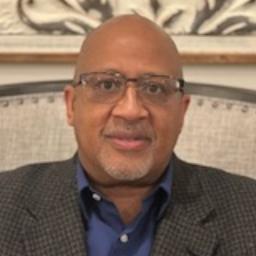
Robin Smith
Compassionate, practical counseling for life’s challenges
LPC, LCMHC North Carolina
- Experience
- 12 years in practice
- Focus areas
- Grief, Parenting, Anger
- Approaches
- Cognitive Behavioral Therapy (CBT), Client-Centered Therapy
- Languages
- English
About Robin
Robin Smith is a licensed counselor in North Carolina who helps people navigating stress, anxiety, depression, grief, and a wide range of life challenges.
Background and approach
He draws on more than 12 years of experience in mental health to offer practical support for issues such as self-esteem, communication problems, parenting concerns, workplace stress, addictions, and coping with major life transitions. His practice also addresses mood disorders like bipolar disorder and depression as well as situational struggles like compassion fatigue and financial worries.
Smith favors evidence-informed methods with an emphasis on Cognitive Behavioral Therapy, while integrating client-centered principles and motivational interviewing to tailor sessions to each person’s needs. He aims to build an accepting therapeutic relationship that supports goal-setting and the development of concrete skills for managing difficult feelings and improving day-to-day functioning.
As a licensed counselor he can discuss clients' concerns from a faith perspective when that is desired, and he blends approaches to fit individual preferences and circumstances. Sessions focus on practical strategies, clearer communication, and steps clients can take between meetings to make progress.
Robin offers flexibility in how care is delivered and works collaboratively to design a plan that aligns with a client’s goals and values.
Practical Therapies and Online Support
Cognitive Behavioral Therapy (CBT) is used to help identify unhelpful thoughts and patterns, and to develop concrete strategies for managing anxiety, depression, and stress. Client-centered therapy emphasizes empathy and a nonjudgmental stance, allowing clients to explore their concerns at their own pace and build self-understanding and acceptance. Motivational Interviewing focuses on enhancing a person’s own motivation to make changes, which can be helpful for issues like addictions, career transitions, and lifestyle adjustments.
Choosing the right approach is a collaborative process. The therapist works with each person to assess goals, preferences, and what has or hasn’t worked in the past, then blends methods to fit those needs. This flexibility helps ensure sessions are focused on practical steps and measurable progress while honoring the client’s values and choices.
Online therapy options include video calls, phone sessions, live chat, and text-based messaging, offering convenience for those with busy or changing schedules. These formats make it easier to maintain continuity of care, access support from home, and use shorter or more frequent touchpoints when that approach suits the treatment plan.
Frequently asked questions
What concerns does this counselor commonly address?
What is the therapist's general approach to therapy?
How much clinical experience does the counselor have?
What credentials and licensing does the therapist hold?
In what languages can sessions be conducted and are international clients accepted?
Which session formats are available?
How are fees and payment handled for sessions?
What steps are required to begin working together?
Areas of expertise
Primary focus
Also works with
Additional focus areas
Therapeutic approaches
Experience
12+ years
Licensed
North Carolina, South Carolina
Languages
English