
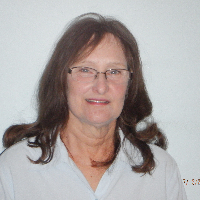
Susan Csank
Compassionate, skills-based therapy for life’s challenges
LISW Ohio
- Experience
- 23 years in practice
- Focus areas
- Stress, Anxiety, Addictions, Relationship
- Approaches
- Cognitive Behavioral Therapy (CBT), Client-Centered Therapy
- Languages
- Estonian
About Susan
Susan Csank is a Licensed Independent Social Worker (LISW) who brings more than two decades of experience to her counseling work.
Background and approach
She blends evidence-informed methods like Cognitive Behavioral Therapy (CBT) with client-centered and mindfulness-based techniques to help people address stress, anxiety, addictions, depression, trauma, relationship and family difficulties, and other life transitions. Her practice emphasizes practical coping skills, emotional awareness, and motivation to support sustained change.
Over a 23-year professional trajectory in Ohio, she has offered both individual and group support while working with people affected by substance use and mental health challenges, as well as with family members coping with codependency, communication breakdowns, and grief.
In sessions she creates a respectful, educational space focused on clients' goals and strengths, helping them explore options and learn concrete strategies. Susan also speaks Estonian and integrates approaches such as DBT and motivational interviewing when they fit a client's needs.
How therapeutic approaches shape online care
Licensed professionals like Susan often draw on Cognitive Behavioral Therapy and client-centered therapy to guide online work. CBT focuses on identifying unhelpful thinking patterns and developing practical skills to change behaviors and manage symptoms, which can be useful for anxiety, depression, and coping with life changes. Client-centered therapy emphasizes empathy, active listening, and partnership, creating a supportive space where clients' values and goals drive the work.Deciding which approach to use is a collaborative process. The therapist will discuss goals, preferences, and current challenges to determine whether CBT, client-centered techniques, DBT skills, mindfulness, or motivational interviewing will best support progress. Plans are adjusted as needs evolve so clients remain at the center of treatment decisions.
Online formats such as video calls, phone sessions, live chat, and text-based messaging offer flexibility that helps clients fit therapy into busy lives. These options make it easier to maintain continuity between sessions, practice skills in real time, and stay connected when in-person visits are impractical, while allowing therapists and clients to collaborate across different communication styles.
Frequently asked questions
What kinds of concerns does she address?
How would you describe her therapeutic style?
What is her professional background?
Where is she licensed to practice?
Does she offer services in other languages?
What session formats are available?
How are costs and billing handled?
How do I begin working with her?
Areas of expertise
Primary focus
Also works with
Additional focus areas
Therapeutic approaches
Experience
23+ years
Licensed
Ohio
Languages
Estonian