
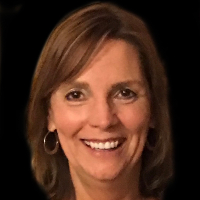
Dr. Susan Eaton
Compassionate CBT-informed therapy in Texas
LPC Texas
- Experience
- 28 years in practice
- Focus areas
- Addictions, Trauma and abuse, Anger
- Approaches
- Cognitive Behavioral Therapy (CBT), Acceptance and Commitment Therapy (ACT)
- Languages
- English
About Susan
Dr. Susan Eaton brings 28 years of counseling experience and a client-centered attitude to her work in Texas.
Background and approach
She focuses on helping people dealing with addictions, trauma and abuse, mood disorders such as depression and bipolar, anxiety and stress, ADHD, relationship and family concerns, grief and coping with life changes, as well as issues related to intimacy, self-esteem, eating and sleeping.
Her practice also addresses a range of related challenges including codependency, communication problems, caregiver stress, divorce and separation, and substance use concerns. Her approach blends Cognitive Behavioral Therapy (CBT) with Acceptance and Commitment Therapy (ACT), Dialectical Behavior Therapy (DBT), Emotionally-Focused Therapy (EFT), and client-centered methods that emphasize strength, dignity, and respect.
She describes a warm, interactive counseling style that prioritizes the person rather than labels and leverages motivational interviewing and mindfulness techniques when appropriate. Dr.
Eaton attends to cultural and spiritual needs while focusing therapy on current issues and practical solutions. Clients who seek help for co-occurring conditions, traumatic brain injury paired with PTSD, or complex emotional and physical trauma may find her integrative outlook useful.
She frames therapy as a collaborative process aimed at supporting growth, resilience, and a more fulfilling life.
Evidence-Informed Methods for Online Support
Dr. Eaton draws on Cognitive Behavioral Therapy (CBT) to help clients identify and shift unhelpful thought and behavior patterns; CBT is often used for anxiety, depression, stress, and many everyday challenges. She also uses Acceptance and Commitment Therapy (ACT), which focuses on clarifying values and building psychological flexibility so people can act toward meaningful goals even when discomfort is present. Her client-centered stance emphasizes empathy and collaboration, creating space for each persons perspective and priorities as treatment unfolds.
Choosing the right approach is treated as a collaborative process. The therapist partners with clients to assess needs, goals, and preferences and then adjusts methods over time based on how well they fit and what progress looks like. This shared planning helps ensure that techniques are relevant and aligned with each clients life.
Online sessions are offered via video calls, phone sessions, live chat, or text-based messaging to increase flexibility and accessibility. These options make it easier to maintain continuity of care around work, family, and other commitments while engaging with therapeutic tools and skills between meetings.
Frequently asked questions
What concerns does she commonly address?
What therapeutic approaches does she use in sessions?
How long has she practiced counseling?
Where is she licensed and practicing?
Does she offer services in other languages or to international clients?
What session formats are available?
How is cost handled for sessions?
What are the steps to begin working together?
Areas of expertise
Primary focus
Also works with
Additional focus areas
Therapeutic approaches
Experience
28+ years
Licensed
Texas
Languages
English