
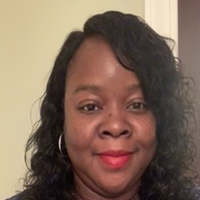
Takara Whichard
Practical, collaborative counseling for life challenges
LCMHC North Carolina
- Experience
- 13 years in practice
- Focus areas
- Stress, Anxiety, Addictions, Parenting
- Approaches
- Cognitive Behavioral Therapy (CBT), Client-Centered Therapy
- Languages
- English
About Takara
Takara Whichard is a licensed mental health counselor practicing in North Carolina who brings 13 years of clinical experience to her work. She takes a collaborative, goal-focused approach that centers on each person's unique priorities and strengths.
Background and approach
Takara emphasizes practical, step-by-step progress and partners with clients to set achievable targets and navigate obstacles. Her style blends Cognitive Behavioral Therapy with Motivational Interviewing and client-centered principles, adapting plans to match changing needs.
This flexible approach allows her to address a wide range of concerns including stress, anxiety, addictions, parenting challenges, depression, relationship and family issues, trauma and abuse, grief, anger, and career-related difficulties. She frames therapy as a process of gradual change, helping clients move forward at a pace that fits them.
Takara aims to create a pleasant, goal-oriented experience and focuses on concrete tools and strategies to support lasting shifts. She is available for sessions from her North Carolina practice and works in English.
Prospective clients are encouraged to consider whether her pragmatic, collaborative style aligns with their goals.
Practical therapeutic approaches for online care
Cognitive Behavioral Therapy (CBT) helps people identify and adjust the thoughts and behaviors that contribute to stress or mood challenges; it is often used to address anxiety, depression, and many everyday difficulties by teaching clear, skill-based strategies. Client-Centered Therapy emphasizes listening, empathy, and collaborating around what matters most to the client so goals and pacing are driven by the individual's preferences. Motivational Interviewing focuses on strengthening a person's own motivation for change and can be especially useful when working toward behavior shifts like reducing substance use or increasing engagement with goals.
Deciding which approach fits best is part of the therapeutic process. The therapist works collaboratively with each person to explore needs, goals, and comfort with different techniques and will adjust methods over time to find the most helpful combination.
Offering video calls, phone sessions, live chat, and text-based messaging provides flexibility for people balancing work, family, or other commitments. These options make it easier to maintain continuity of care and access support from different locations while allowing licensed professionals to deliver consistent, goal-oriented treatment aligned with the client's schedule and preferences.
Frequently asked questions
What kinds of concerns does this therapist address?
What therapeutic approach is used during sessions?
How much clinical experience does the therapist have?
What credentials and location are on record?
Are services available in other languages or internationally?
Which session formats are offered for therapy?
How is pricing handled for sessions?
What are the steps to begin working together?
Areas of expertise
Primary focus
Also works with
Therapeutic approaches
Experience
13+ years
Licensed
North Carolina
Languages
English