
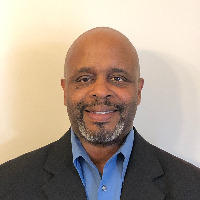
Terron Simpson
Practical, respectful therapy for everyday challenges
LCMHC North Carolina
- Experience
- 11 years in practice
- Focus areas
- Stress, Anxiety, Parenting, Anger
- Approaches
- Cognitive Behavioral Therapy (CBT), Client-Centered Therapy
- Languages
- English
About Terron
Terron Simpson is a licensed clinical mental health counselor (LCMHC) based in North Carolina who works with people facing stress, anxiety, depression, ADHD, relationship and family concerns, anger, parenting challenges, bipolar symptoms, trauma and related intimacy issues.
Background and approach
He frames problems as parts of broader life patterns and attends to factors such as family dynamics, work, and daily responsibilities when supporting clients. With 11 years of experience, he draws on a range of methods including cognitive behavioral techniques and solution-focused strategies to help clients build practical coping skills and make meaningful changes.
Simpson emphasizes a nonjudgmental, respectful stance and centers each person’s goals in the work. He often combines client-centered listening with motivational interviewing to encourage readiness for change and to tailor interventions to a person’s situation.
Whether addressing career concerns, coping with life transitions, control issues, or experiences of prejudice and multicultural stressors, he aims to collaborate on concrete steps that reduce disruption and improve daily functioning.
Remote approaches that focus on skills and goals
Cognitive Behavioral Therapy (CBT) helps people identify unhelpful thinking patterns and develop concrete skills to change behaviors and emotional responses; it is often used for anxiety, depression, anger, and stress-related concerns. Client-Centered Therapy emphasizes a respectful, empathetic listening stance that prioritizes the client’s own goals and perspectives, supporting self-exploration and personal growth.
Finding the right approach is a collaborative process. The therapist will work with clients to determine which methods fit best based on current needs, goals, and preferences, and may blend elements of different approaches to create a personalized plan.
Online therapy offers practical flexibility through video calls, phone sessions, live chat, and text-based messaging, making it easier to schedule sessions around work, family, or travel. These formats can allow for ongoing skill practice between meetings and provide options for people who prefer different modes of communication, helping therapy remain consistent even when life is busy.
Frequently asked questions
What concerns does he commonly address?
What therapeutic approaches does he use in sessions?
How much experience does he have?
What are his credentials and where is he located?
Can nonlocal clients work with him from other countries?
Which session formats are available for working together?
How are fees and payment structured?
What steps are needed to begin therapy with him?
Areas of expertise
Primary focus
Also works with
Additional focus areas
Therapeutic approaches
Experience
11+ years
Licensed
North Carolina
Languages
English