
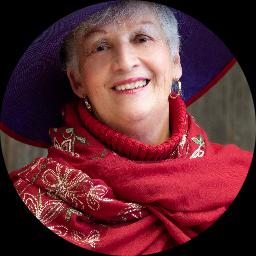
Vicki Marcum
Compassionate, experienced LCSW guiding practical change
LCSW Illinois
- Experience
- 40 years in practice
- Focus areas
- Stress, Anxiety, Trauma and abuse, Grief
- Approaches
- Cognitive Behavioral Therapy (CBT), Attachment-Based Therapy
- Languages
- English
About Vicki
Vicki Marcum is a licensed clinical social worker (LCSW) who brings 40 years of clinical experience to her practice. She begins from a client-centered stance, building a trusting working relationship before tailoring interventions to address each person's needs.
Background and approach
Her approach combines practical strategies with attention to emotional experience, guided by modalities such as Cognitive Behavioral Therapy (CBT), Attachment-Based Therapy, Emotionally-Focused Therapy, and existential ideas when appropriate. Across inpatient, outpatient, crisis, school, and community settings, she has worked with people at every stage of life from children to older adults.
Her background includes work in emergency and crisis intervention, outpatient day treatment, case management, home-based programs, and independent practice. That breadth of experience informs a flexible style that moves between supportive listening and respectful challenge as clients are ready to explore change.
Vicki focuses on a wide range of concerns including stress, anxiety, trauma and abuse, grief, parenting and family issues, relationship and intimacy challenges, depression, eating and body image problems, anger, self-esteem, career transitions, bipolar disorder, ADHD, and coping with life changes and compassion fatigue.
She aims to help clients clarify goals, learn skills, and discover practical pathways forward while honoring each person’s autonomy and pace.
How Therapy Approaches Translate to Online Care
Vicki uses Cognitive Behavioral Therapy to help people identify unhelpful thought patterns and practice concrete skills for managing symptoms like anxiety, low mood, and stress. Attachment-Based Therapy is also part of her work, focusing on patterns in close relationships and helping clients explore how early bonds influence current trust, intimacy, and communication. Each approach is explained in straightforward terms and applied to everyday problems so clients can see practical benefits.
Finding the right approach is collaborative; the therapist begins with a client-centered stance to learn about goals, preferences, and concerns, and then together they select or blend techniques that best fit the work ahead. This process allows flexibility so the plan can shift as progress and understanding grow.
Online sessions are offered via video calls, phone sessions, live chat, or text-based messaging to increase access and convenience. These formats make it easier to schedule appointments around work, family, or mobility needs while still receiving care from a licensed professional. The variety of options supports different communication styles and life rhythms so clients can choose what feels most comfortable and practical.
Frequently asked questions
What concerns does this therapist commonly address?
How would you describe the therapeutic approach and style?
What experience does the therapist bring to sessions?
What credentials and location are listed for the therapist?
Which languages are offered and are international clients accepted?
What session formats are available for online work?
How is cost structured for ongoing sessions?
What are the first steps to begin working together?
Areas of expertise
Primary focus
Also works with
Additional focus areas
Therapeutic approaches
Experience
40+ years
Licensed
Illinois
Languages
English