
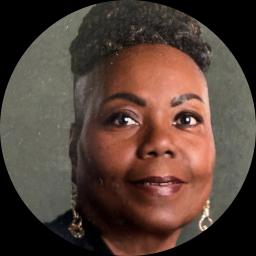
Victoria Hopkins
Calm guidance for recovery and change
LISW Ohio
- Experience
- 20 years in practice
- Focus areas
- Addictions, Trauma and abuse, Self esteem
- Approaches
- Cognitive Behavioral Therapy (CBT), Client-Centered Therapy
- Languages
- English
About Victoria
Victoria Hopkins is an Ohio-based licensed independent social worker (LISW) with two decades of experience in mental health and substance use treatment. She earned a master’s degree in social work and has worked extensively with people facing addiction, trauma, mood disorders, stress, and career or relationship challenges.
Background and approach
Her background includes clinical work with veterans affected by homelessness related to untreated substance use and PTSD, and she draws on that experience when addressing complex life stressors and recovery needs.
Her practice blends practical, evidence-informed methods such as Cognitive Behavioral Therapy (CBT) with client-centered and trauma-focused perspectives, along with motivational interviewing when supporting change related to substance use. Victoria emphasizes asking what happened rather than what’s wrong, which helps create space for clients to tell their stories and for her to tailor interventions to each person’s situation.
Compassion and a straightforward collaborative style are central to her work, and she aims to help clients regain enjoyment and forward momentum in their lives.
How therapeutic approaches translate to online work
Victoria commonly integrates Cognitive Behavioral Therapy and trauma-focused work into her online practice. Cognitive Behavioral Therapy focuses on identifying unhelpful thoughts and behaviors and developing practical strategies to change them, which can help with anxiety, depression, and patterns related to substance use. Trauma-focused therapy centers on understanding the impact of traumatic events and using structured techniques to process distressing memories and reduce their ongoing effects.
Choosing the right approach is a collaborative process. She works with each client to assess needs, goals, and preferences, then adapts methods over time so the work remains relevant and effective for the person in front of her. This planning happens together, with adjustments made as progress and priorities evolve.
Online sessions are offered through video calls, phone sessions, live chat, or text-based messaging, providing flexibility for people with busy schedules or mobility limits. These formats make it easier to maintain continuity of care from different locations while still engaging in evidence-informed therapy and supportive coaching.
Frequently asked questions
What kinds of concerns does she address?
What is her therapeutic style like?
How much clinical experience does she bring?
What credentials and location should I know?
Can I work with her if I live outside the United States?
Which session formats are available?
How are fees and subscriptions handled?
What should I do to begin therapy with her?
Areas of expertise
Also works with
Additional focus areas
Therapeutic approaches
Experience
20+ years
Licensed
Ohio
Languages
English