Find CBT Therapists in New Hampshire
Welcome to the New Hampshire CBT directory. All therapists listed here are licensed and list Cognitive Behavioral Therapy (CBT) among their clinical approaches.
Browse profiles to learn about each clinician's focus, credentials, languages, and experience working with CBT-based methods.





Rachel DeVita
LCMHC, LMHCNew Hampshire
- 13 yrs exp
Stress, Anxiety · Trauma and abuse · Anger · +11
View Profile
Linda O'Malley
LCMHC, LMHCNew Hampshire
- 15 yrs exp
Stress, Anxiety · Relationship · Grief · +16
View Profile
Jaret Romano
LPC, LCMHCNew Hampshire
- 10 yrs exp
Stress, Anxiety · Addictions · Trauma and abuse · +16
View Profile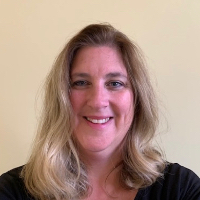
Tara Parisi
LMHC, LCPCNew Hampshire
- 24 yrs exp
Stress, Anxiety · Relationship · Family · +8
View Profile
Jessica Stern
NH Psychologist 937New Hampshire
- 30 yrs exp
- 2 languages
Stress, Anxiety · Relationship · Trauma and abuse · +10
View Profile
Emily Salkever-Scott
LPC, LCMHCNew Hampshire
- 7 yrs exp
Trauma and abuse · Grief · Intimacy-related issues · +16
View Profile

Kimberly Marsh
LCSWNew Hampshire
- 28 yrs exp
Stress, Anxiety · Addictions · Trauma and abuse · +10
View Profile


Ross Davidson
LCMHCNew Hampshire
- 19 yrs exp
Stress, Anxiety · Addictions · Relationship · +11
View Profile
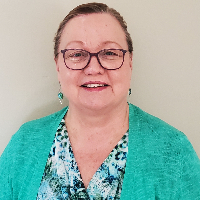
Dr. Susan Murati
LMHC, LCMHCNew Hampshire
- 19 yrs exp
Stress, Anxiety · Family · Trauma and abuse · +13
View Profile
Jamie Haidinger
LICSW, LCSWNew Hampshire
- 15 yrs exp
Stress, Anxiety · Relationship · Family · +11
View Profile

Ruth MacBain
LCPC, LCMHCNew Hampshire
- 11 yrs exp
Stress, Anxiety · Addictions · Self esteem · +8
View Profile

Tia Savage
LICSW, LCSWNew Hampshire
- 15 yrs exp
Stress, Anxiety · Relationship · Parenting · +12
View Profile

Overview of CBT availability in New Hampshire
Cognitive Behavioral Therapy (CBT) has become a widely used, evidence-informed approach across many mental health settings in New Hampshire. If you are exploring CBT as an option, you will find clinicians who emphasize the link between thoughts, feelings, and behaviors and who use structured, goal-oriented techniques to help clients practice new skills between sessions. On this directory you will see providers who list CBT among their approaches; that means CBT is part of how they describe the care they offer, though you should always ask about their specific experience and education in CBT during an initial conversation.
Across the state, clinicians who work with CBT serve a wide range of ages and presenting concerns. Whether you live in an urban center or in one of New Hampshire's more rural communities, online delivery has expanded the practical availability of clinicians who use CBT-informed methods. For many residents, that means greater choice when comparing clinicians by focus area, professional credentials, languages spoken, and prior experience with particular conditions or populations.
Benefits of online CBT for New Hampshire residents
Online CBT brings several practical advantages for people living in New Hampshire. You can connect with a clinician who lists CBT among their approaches without having to travel long distances, which can be especially helpful during winter months or if you live in a region with fewer local options. The structured nature of CBT - session agendas, targeted skill practice, and measurable goals - aligns well with remote sessions because exercises, worksheets, and practice assignments translate easily to video or phone formats.
When you choose online CBT, you can also look for clinicians whose background and style match your needs. You may prefer someone with experience working with a particular age group, cultural community, or life stage. Online sessions make it possible to prioritize those fit factors rather than being limited to nearby offices. Keep in mind that online therapy requires a reliable internet connection and a quiet place to participate, and it may feel different from in-person sessions. Many people adapt quickly and find that the focused, pragmatic approach of CBT helps them apply what they learn between appointments.
Common conditions CBT therapists in New Hampshire address
CBT is commonly used to help with a range of conditions and life challenges. If you are wondering whether CBT could be a good match for your situation, clinicians who list CBT among their approaches often work with anxiety disorders, including generalized anxiety, panic, social anxiety, and specific phobias. They also commonly support people with depression by helping to identify and shift unhelpful thought patterns and to increase activity levels through behavioral experiments.
Other issues frequently addressed with CBT methods include obsessive-compulsive disorder, post-traumatic stress symptoms, insomnia, health-related anxiety, and difficulties with anger or impulse control. CBT-informed approaches are also adapted for young people and for couples, and clinicians may combine CBT strategies with other evidence-based techniques to meet each person's needs. When reviewing profiles, look for descriptions of populations and conditions the clinician has worked with, and ask how they typically structure work on your particular concern.
How the structured nature of CBT works well online
One of the strengths of CBT is its predictable structure - sessions often begin with a brief check-in, review of recent practice or homework, collaborative agenda-setting, focused intervention time, and a summary with tasks to practice between sessions. That framework translates effectively to online work because it relies on clear goals and exercises rather than on physical office cues. You can expect to leave sessions with concrete strategies and short assignments that reinforce learning outside the meeting.
Online CBT sessions can make it easier to use digital tools that support practice. Worksheets, thought records, apps, and audio recordings can be shared electronically and reviewed together on screen. Because CBT emphasizes measurable progress, clinicians who use the approach may track symptom measures or activity logs to help you and your therapist see what is changing over time. If you prefer a structured plan and visible milestones, you may find that the online format helps you integrate practice into daily routines without extra travel time.
Typical session flow and homework
During an online CBT session you can expect a focused conversation about recent experiences, collaborative setting of goals for that session, guided practice of a skill or cognitive technique, and a plan for practice until the next meeting. Homework is considered a central part of CBT and is designed to be achievable within your usual environment. You should feel comfortable asking potential clinicians how they assign and follow up on practice tasks and how they measure progress so you know what to expect when you begin treatment.
Verifying a therapist's license in New Hampshire
Confirming licensure is an important step when you are choosing a clinician. In New Hampshire, licensing boards oversee professionals such as licensed clinical social workers, licensed mental health counselors, licensed psychologists, and marriage and family therapists. You can verify a license by using the state licensing board's online lookup tool or by contacting the appropriate board by phone or email. The lookup typically allows you to search by practitioner name and will show license type, current status, expiration date, and any disciplinary actions on record.
When you review a license record, note the exact title used by the clinician and whether their license is active in New Hampshire. If you have questions about a clinician's education, supervised experience, or any specialized certifications they mention, ask them directly during an initial conversation. It is reasonable to request a license number and to confirm that the license covers the type of clinical service you are seeking. Verifying licensure helps you make an informed choice and can alert you to any formal actions that might be relevant to your decision.
Tips for choosing the right CBT therapist in New Hampshire
Choosing a CBT therapist involves more than confirming they list the approach among their methods. Start by clarifying what you want to address and what style of working relationship fits you. Some clinicians emphasize skills practice and short-term goals, while others incorporate CBT within broader, longer-term treatment plans. Read provider profiles to learn about each clinician's focus areas, professional credentials, languages spoken, and experience with specific conditions or age groups. These details will help you narrow your options before reaching out.
When you contact a prospective clinician, ask about how they typically structure CBT work, what types of homework they assign, and how they measure progress. Ask about their experience with the particular issue you are facing and whether they have worked with clients in situations similar to yours. It is also appropriate to ask about logistics such as session length and how sessions are conducted online. Finally, inquire about fees, insurance billing practices, and any sliding scale options if those matters are important to you. Comparing focus areas, approaches, credentials, languages, and experience will help you find a clinician whose way of working matches your goals.
Finding the right therapist is a personal process. You may want to speak with more than one clinician to get a sense of who feels like the best fit for your goals and communication style. Above all, look for a clinician who listens, explains how CBT will be used in your work together, and offers a clear plan for practice between sessions. That clarity can help you get the most out of CBT's structured, skills-focused approach while working from the convenience of your home or another comfortable environment in New Hampshire.
Browse Specialties in New Hampshire
Mental Health Conditions (20 have therapists)
Addictions
7455 therapists
ADHD
6711 therapists
Anger
9281 therapists
Bipolar
6589 therapists
Depression
12849 therapists
Eating Disorders
2892 therapists
Grief
10265 therapists
Guilt and Shame
9013 therapists
Impulsivity
5183 therapists
Isolation / Loneliness
8366 therapists
Mood Disorders
7355 therapists
OCD
3484 therapists
Panic Disorder and Panic Attacks
6347 therapists
Phobias
2452 therapists
Post-Traumatic Stress
7789 therapists
Self Esteem
12541 therapists
Self-Harm
3677 therapists
Social Anxiety and Phobia
8152 therapists
Stress & Anxiety
13723 therapists
Trauma and Abuse
10862 therapists