
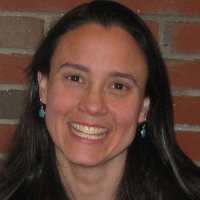
Catherine Duthie
Experienced counselor focused on practical change
LCPC Maine
- Experience
- 18 years in practice
- Focus areas
- Stress, Anxiety, Addictions, Relationship
- Approaches
- Cognitive Behavioral Therapy (CBT), Client-Centered Therapy
- Languages
- English
About Catherine
Catherine Duthie is a licensed clinical professional counselor (LCPC) with 18 years of experience helping people address problematic behaviors and life challenges.
Background and approach
She earned a Master of Arts in Counseling Psychology focused on Substance Abuse/Addictions from Antioch University and a Bachelor of Arts in Psychology from the University of Southern Maine. Over nearly two decades she has worked in community mental health, medical center, and hospital settings, developing particular strengths in co-occurring disorders, integrative care, relapse prevention, and trauma-informed supports.
Her style centers on collaboration and practical skill-building, using evidence-based methods such as cognitive behavioral therapy (CBT) and motivational interviewing alongside client-centered and trauma-focused techniques.
She pays attention to multicultural concerns and the effects of prejudice and discrimination while addressing a broad range of issues including stress, anxiety, addictions, depression, relationship and family concerns, grief, parenting, and career questions. Catherine values meeting people where they are, listening to their stories, and helping them move toward the goals they choose.
Outside of practice she enjoys running, kayaking, swimming, reading, and spending time with her daughter. She approaches each client with respect for their background and motivation to change, and she works collaboratively to identify realistic steps forward.
Evidence-Informed Approaches and Online Access
Client-centered therapy focuses on creating an accepting space where the therapist listens closely and follows the client's lead, helping people clarify goals and feel understood. Cognitive behavioral therapy (CBT) teaches practical skills to identify and shift unhelpful thoughts and behaviors, which can be useful for anxiety, depression, and coping with life changes. Motivational interviewing helps people strengthen their own motivation for change by exploring ambivalence and encouraging self-directed goals.Choosing the right approach is a collaborative process. The therapist will work with each person to assess needs, preferences, and goals, then adapt methods as treatment progresses so the plan fits the individual situation and priorities.
Online therapy options include video calls, phone sessions, live chat, and text-based messaging, offering flexibility for different schedules and comfort levels. These formats make it easier to maintain consistent work on goals, access care from home or work, and use a method of communication that feels most helpful for each person.
Frequently asked questions
What concerns does she help with?
What therapeutic approaches are used in sessions?
How much clinical experience does she have?
What are her credentials and where is she based?
Does she offer services in other languages or to international clients?
Which session formats are available?
How are sessions paid for and what does cost look like?
What is the first step to begin therapy?
Areas of expertise
Primary focus
Also works with
Additional focus areas
Therapeutic approaches
Experience
18+ years
Licensed
Maine
Languages
English