
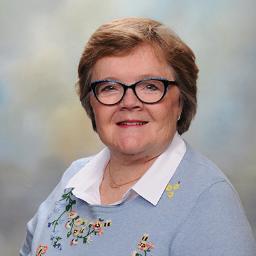
Dr. Judith (Judy) Hefren
Trusted, practical therapy for life's difficult changes
LCSW Florida
- Experience
- 6 years in practice
- Focus areas
- Stress, Anxiety, Trauma and abuse, Grief
- Approaches
- Cognitive Behavioral Therapy (CBT), Client-Centered Therapy
- Languages
- English
About Judith
Dr. Judith (Judy) Hefren offers practical, compassionate care for people navigating stress, anxiety, grief, trauma, parenting challenges, depression, and relationship or family concerns.
Background and approach
She approaches counseling as a collaborative process focused on helping clients adjust to life changes, improve daily functioning, and build coping skills to manage difficult emotions. Judy emphasizes empathic listening and real-world strategies so clients can feel less overwhelmed and more able to face what’s next.
Judy brings six years of clinical experience as an LCSW licensed in Florida (FL LCSW SW15543). Her background includes training in social work and accounting, which informs her sensitivity to how financial pressures affect family dynamics.
She is also designated as an adoption-competent therapist and has specialized training in EMDR, allowing her to support adoption-related issues and trauma-responsive work when appropriate. Her approach blends Cognitive Behavioral Therapy with client-centered and solution-focused methods, using motivational interviewing and narrative techniques as needed to tailor care to each person’s goals.
Judy invites prospective clients to connect, explore fit, and decide together whether to move forward with a plan for change and growth.
How therapeutic approaches translate to online care
Client-Centered Therapy emphasizes empathetic listening and meeting clients where they are, helping people clarify their feelings and make choices that reflect their values. This approach can be especially useful for those facing grief, relationship strain, or life transitions where validation and support are priorities.Cognitive Behavioral Therapy (CBT) focuses on identifying and changing unhelpful thoughts and behaviors through practical techniques like thought records, behavioral experiments, and skills training. It is often applied to anxiety, depression, stress, and coping with challenging situations where learning new strategies can reduce distress.
Motivational Interviewing complements these methods by exploring and strengthening a person's own motivation for change, which can be helpful when clients feel stuck or uncertain about next steps.
Choosing the right approach is a collaborative process. The therapist works with each client to assess needs, goals, and preferences, then adapts methods so therapy fits the person rather than forcing a single model. This collaborative planning helps clarify what to try first and how to measure progress.
Online sessions can include video calls, phone sessions, live chat, or text-based messaging, offering flexibility for people with busy schedules or limited mobility. These formats make it easier to maintain consistent care, try interventions in daily life, and stay connected with a licensed professional even when in-person appointments are not possible.
Frequently asked questions
What kinds of concerns does she commonly address?
What therapeutic style can I expect in sessions?
How much clinical experience does she have?
What are her professional credentials and location?
Can non-English speakers work with this therapist?
In what formats are sessions available?
How are fees and subscriptions handled?
What is the first step to begin working together?
Areas of expertise
Primary focus
Also works with
Additional focus areas
Therapeutic approaches
Experience
6+ years
Licensed
Florida
Languages
English