
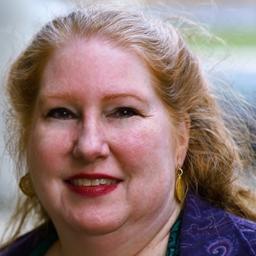
Margaret Johnston
Compassionate clinician who listens and guides change
LMHC Florida
- Experience
- 11 years in practice
- Focus areas
- Stress, Anxiety, Trauma and abuse, Grief
- Approaches
- Cognitive Behavioral Therapy (CBT), Acceptance and Commitment Therapy (ACT)
- Languages
- English
About Margaret
Margaret Johnston is an LMHC based in Florida who works with people navigating stress, anxiety, trauma, grief, depression, and other life changes. She brings 11 years of clinical experience and a background in deep listening gained through graduate training and a 9-month Clinical Pastoral Education internship.
Background and approach
Her practice emphasizes hearing clients fully, reflecting emotions, and helping clarify personal meaning and goals. She draws on Cognitive Behavioral Therapy alongside acceptance-oriented and attachment-informed methods to help clients notice patterns, develop practical coping strategies, and realign actions with values.
Margaret practices person-centered care, meeting people where they are and building on strengths while attending to cultural and identity concerns when those are central to a client’s experience. She welcomes diverse expressions of gender and sexuality and has experience working with LGBTQA, polyamory, kink, and non-gendered communities.
Margaret describes her role as guide and listener - validating unmet emotional needs, supporting paced trauma work when necessary, and assisting clients in planning toward a more meaningful life. Her approach combines practical skill-building with attention to the personal values that shape lasting change.
Evidence-Informed Approaches Applied to Online Care
Cognitive Behavioral Therapy (CBT) focuses on identifying and changing unhelpful thoughts and behaviors to reduce symptoms and improve functioning. It is often used for problems like anxiety, depression, stress, and many day-to-day challenges by teaching concrete skills and behavioral experiments. Acceptance and Commitment Therapy (ACT) emphasizes clarifying values, practicing acceptance of difficult internal experiences, and committing to actions that align with what matters most, which can help with chronic anxiety, life transitions, and coping with painful memories. Attachment-Based Therapy explores patterns in close relationships, how early bonds shape current responses, and works to build more supported ways of relating and regulating emotions, often useful for intimacy, relationship strain, and attachment-related wounds.
Finding the right combination of methods is collaborative. The therapist will work with each client to determine which approaches suit their needs, goals, and preferences, adapting pace and techniques so the work feels manageable and meaningful. Clients participate in shaping treatment plans and choosing practical skills alongside deeper emotional processing.
Online therapy offers flexible options including video calls, phone sessions, live chat, and text-based messaging, making it easier to fit sessions into busy lives or when in-person care is not convenient. These formats support continuity of care and allow licensed professionals to use CBT, ACT, and attachment-informed interventions across varied communication styles for consistent progress.
Frequently asked questions
What kinds of concerns does this therapist address?
What is her therapeutic style and approach?
How much clinical experience does she have?
What are her credentials and where is she located?
Can people who speak other languages or live abroad work with her?
Which session formats are available for online work?
How is payment or cost handled for sessions?
What are the first steps to begin therapy with her?
Areas of expertise
Also works with
Additional focus areas
Therapeutic approaches
Experience
11+ years
Licensed
Florida
Languages
English