
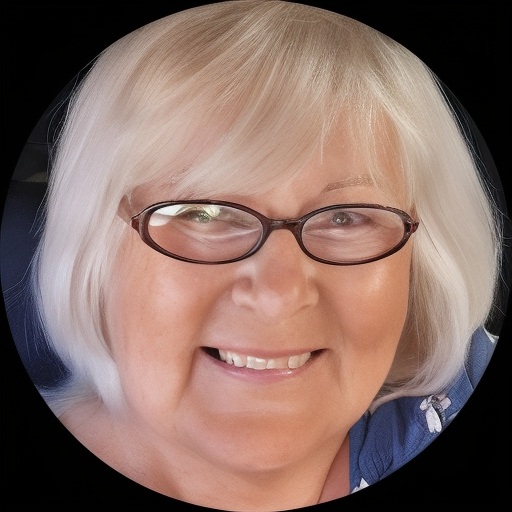
Pam Biggs-Reed
Compassionate counselor focused on practical change
LMHC Florida
- Experience
- 25 years in practice
- Focus areas
- Addictions, Family, Trauma and abuse
- Approaches
- Cognitive Behavioral Therapy (CBT), Client-Centered Therapy
- Languages
- English
About Pam
Pam Biggs-Reed is a licensed mental health counselor with 25 years of practice helping people navigate addiction, trauma, grief, anxiety, depression, relationship and family problems, parenting challenges, ADHD, and other life transitions.
Background and approach
She draws on a broad clinical background that includes work with individuals and families facing physical and sexual abuse, substance use concerns, and the stresses that come with caregiving, blended families, and separation. Her experience also covers aging and geriatric issues, adoption and foster care, and various communication and control-related struggles.
Her therapeutic stance centers on building a warm, trusting relationship where clients can safely explore their challenges and co-create a plan for change. Pam uses client-centered listening together with cognitive behavioral techniques and solution-focused strategies to help clients set concrete goals and take practical steps toward them.
She frames therapy as a partnership, emphasizing collaboration, measurable goals, and actionable steps tailored to each person’s circumstances. Based in Florida and licensed as an LMHC, she offers multiple ways to connect and supports people who are ready to take the first step toward change.
She invites those prepared to begin a therapeutic journey to reach out and explore a plan that fits their needs.
How therapeutic approaches translate to online sessions
Client-Centered Therapy emphasizes empathic listening and a nonjudgmental relationship where the client’s experiences guide the process; it helps people who need space to explore feelings and build self-understanding. Cognitive Behavioral Therapy (CBT) focuses on identifying unhelpful thought and behavior patterns and developing practical skills and exercises to change them, which can be effective for anxiety, depression, stress, and many everyday concerns. Solution-Focused Therapy concentrates on strengths and concrete steps toward specific goals, making it useful when clients want short-term, goal-oriented work.Choosing the right approach is a collaborative process. The therapist will work with each person to clarify goals, review past experiences, and try strategies that fit their needs and preferences, adjusting methods over time based on what proves most helpful. This collaborative stance helps tailor sessions whether the focus is healing from trauma, managing mood, or improving relationships.
Online therapy offers practical flexibility: video calls allow face-to-face interaction, phone sessions can work when video isn’t possible, and live chat or text-based messaging provide ongoing connection for check-ins or skill practice. These options make it easier to fit consistent therapeutic work into busy lives while maintaining a steady collaborative process with a licensed professional.
Frequently asked questions
What concerns does Pam commonly address in therapy?
What therapeutic approach can I expect in sessions?
How much clinical experience does this therapist have?
Where is the therapist licensed and located?
Does she offer services in languages other than English or accept international clients?
What session formats are available for online work?
How is cost handled for therapy with this clinician?
What are the first steps to begin working together?
Areas of expertise
Primary focus
Also works with
Additional focus areas
Therapeutic approaches
Experience
25+ years
Licensed
Indiana, Florida
Languages
English