
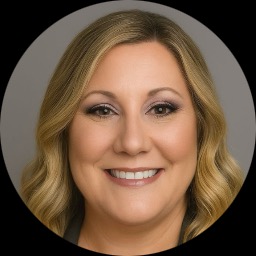
Rachel LaVergne
Compassionate, evidence-informed mental health support
LCMHC New Hampshire
- Experience
- 18 years in practice
- Focus areas
- Stress, Anxiety, Trauma and abuse, Self esteem
- Approaches
- Cognitive Behavioral Therapy (CBT), Client-Centered Therapy
- Languages
- English
About Rachel
Rachel LaVergne is a licensed mental health counselor in New Hampshire who focuses on helping people manage stress, anxiety, trauma, and struggles with self-esteem.
Background and approach
With 18 years of practice, she combines empathy and practical strategies to support clients working through social anxiety, isolation, and persistent feelings of guilt or shame. Her work emphasizes understanding each person’s experience and building tools that fit their life circumstances.
She blends client-centered care with evidence-informed techniques so conversations remain collaborative and goal-oriented. Rachel uses approaches such as Cognitive Behavioral Therapy, Dialectical Behavior Therapy, mindfulness practices, and motivational interviewing to help clients develop better coping skills and reshape unhelpful patterns.
Her style aims to strengthen resilience and encourage measurable steps toward improved daily functioning and self-regard. Sessions are tailored to individual needs rather than a one-size-fits-all plan, and she supports people through both immediate concerns and longer-term personal growth.
Rachel’s practice highlights respectful listening, concrete skill-building, and ongoing adjustment of strategies to match changing goals and circumstances.
Combining practical therapies with online flexibility
Rachel often uses Cognitive Behavioral Therapy to help clients identify and shift unhelpful thoughts and behaviors; this approach is useful for anxiety, stress, and patterns that reinforce low self-esteem. She also incorporates Client-Centered Therapy, which emphasizes empathetic listening and collaboration so the person’s goals guide the pace and focus of work. Both approaches support practical problem-solving while honoring each person’s experience.Finding the right approach is part of the therapeutic process, and she works together with clients to determine which methods fit their needs, goals, and preferences. That collaborative stance means strategies can be adjusted over time, combining skill-building, mindfulness, or motivational techniques as progress and priorities evolve.
Online formats include video calls, phone sessions, live chat, and text-based messaging, offering flexibility for different schedules and comfort levels. These options can make it easier to maintain consistency in sessions, access support from home, and integrate therapeutic tools into daily life through brief check-ins or ongoing text-based practice.
Frequently asked questions
What concerns does Rachel commonly address?
What therapeutic approaches does she use?
How much clinical experience does she have?
What are her credentials and where is she based?
Does she offer services in other languages or to international clients?
Which session formats are available?
How does pricing and subscription work?
What should I do to begin working with her?
Areas of expertise
Primary focus
Additional focus areas
Therapeutic approaches
Experience
18+ years
Licensed
New Hampshire
Languages
English